Sleep habits
Will a nap ruin tonight’s sleep?
A short nap can restore alertness. A long or late nap can also spend some of the sleep pressure you wanted at bedtime. The answer depends on the job the nap needs to do.
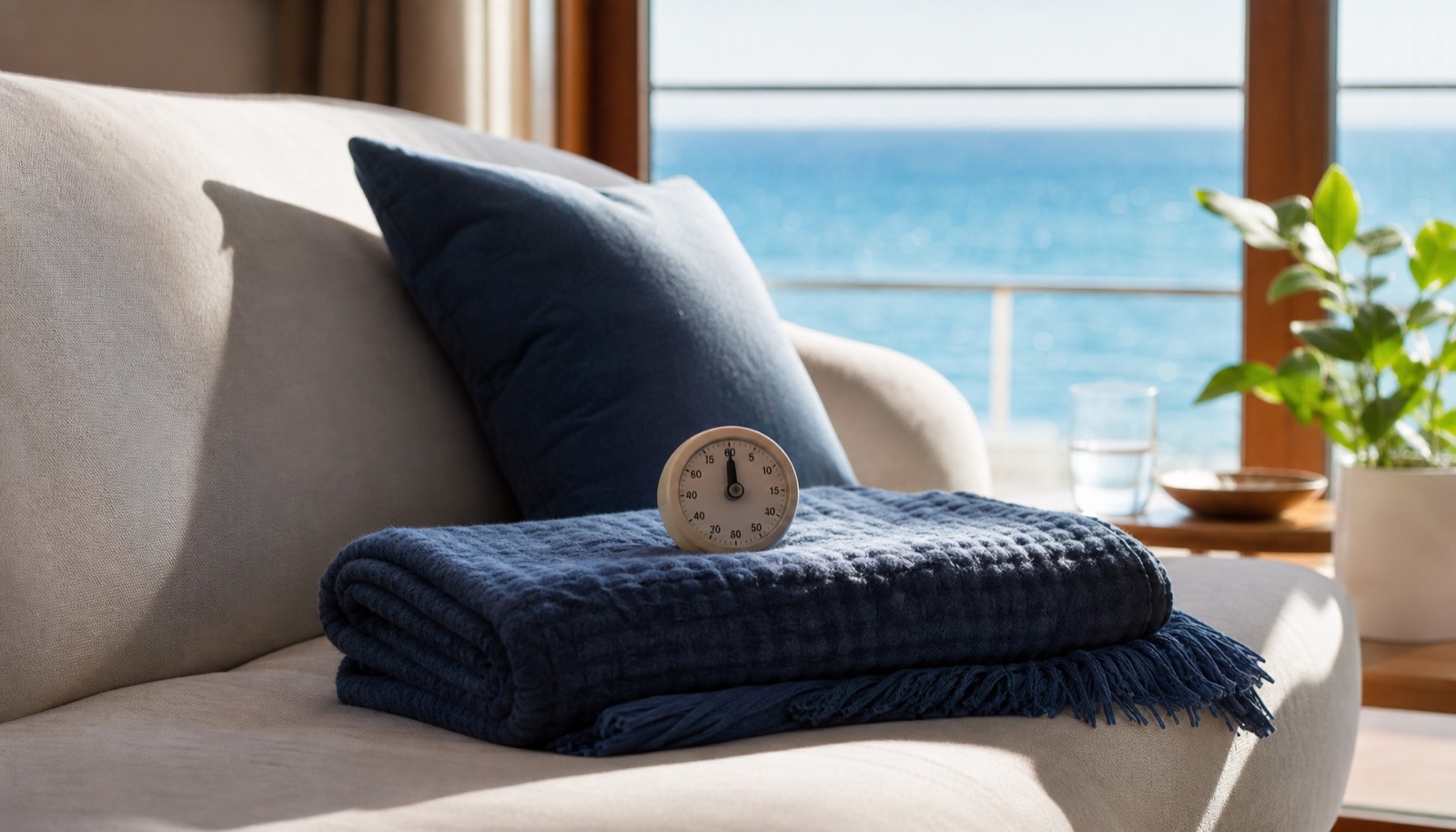
Answer summary
Direct answer
A short early-afternoon nap is less likely to disrupt nighttime sleep than a long or late nap. If you already struggle to fall asleep or stay asleep, napping can reduce sleep pressure and keep the cycle going. If safety is at stake, however, a nap may be the right immediate choice.
Key takeaway: Use naps on purpose: short, early, and tied to a clear need. Do not let an accidental two-hour evening sleep become your hidden first bedtime.
Naps spend sleep pressure
Sleep pressure builds while you are awake and eases during sleep. A nap takes the edge off that pressure. This can be useful when you are dangerously sleepy, recovering from acute sleep loss, or preparing for an unusual schedule.
The same mechanism can make bedtime harder if insomnia is already reducing the connection between bed and sleep. The nap is not morally wrong; it simply changes the amount of pressure available later.
Why short and early is the usual starting point
A nap around 10 to 20 minutes may improve alertness while reducing the chance of waking from deeper sleep feeling groggy. Earlier afternoon timing leaves more wakefulness before bed than an evening nap.
Needs differ, and some people tolerate naps well. If your nighttime sleep is solid, there is no reason to create a problem because a rule on the internet says naps are bad.
Use the nap to solve the real problem
If you are drowsy while driving or operating equipment, stop. Caffeine is not a guarantee, and opening a window is not treatment. A safe place to rest or another driver matters more than protecting tonight’s sleep schedule.
If the nap is mostly an escape from an afternoon crash, look upstream at sleep opportunity, caffeine swings, meals, medication, breathing symptoms, and workload. Repeated severe sleepiness deserves clinical attention.
A simple two-week test
If nights are difficult, remove or shorten naps for one to two weeks while keeping wake time steady. Watch sleep onset, awakenings, and daytime function. Keep the change only if the total pattern improves.
Sources and further reading
- 1NHLBI: Sleep deprivation and deficiency
Health and safety effects of insufficient sleep.
- 2CDC/NIOSH: Napping, an important fatigue countermeasure
Workplace fatigue guidance on planned naps.
Research behind the guidance
See how the evidence connects to the product.
Questions people ask next
What is the best nap length?+
For a quick alertness boost, many people start with about 10 to 20 minutes. Longer naps may help in some situations but increase the chance of grogginess or nighttime disruption.
Is it bad to nap after 3 p.m.?+
Not universally, but later naps leave less time to rebuild sleep pressure. If falling asleep at night is difficult, earlier is the cleaner experiment.